

Chinese Oil Massage Bristol
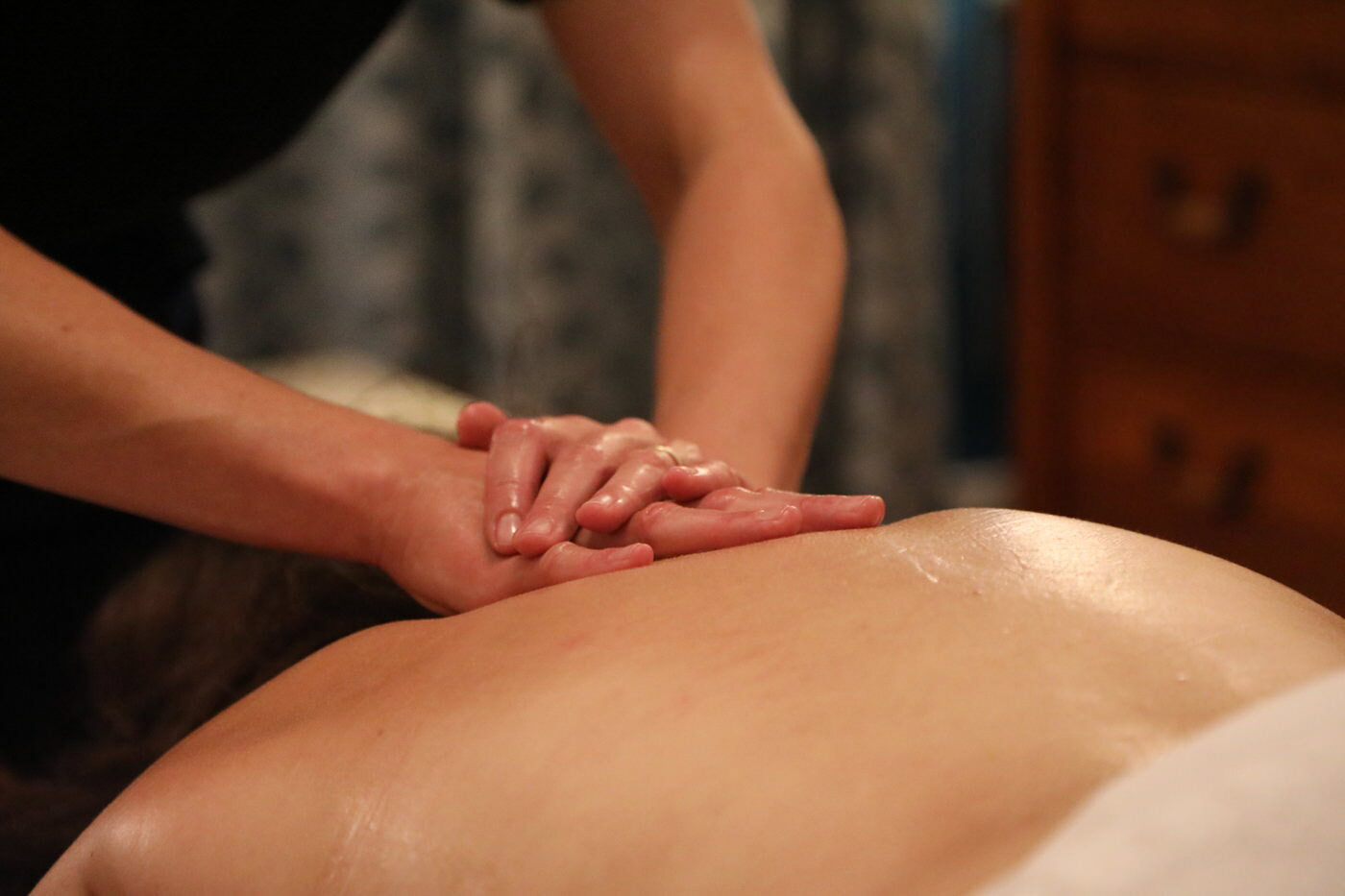
Chinese oil massage is what most people picture when they think of massage. You're on the table, there's warm oil, and skilled hands work through the layers of your body to release what's been holding you tight.
But this isn't just about rubbing muscles until they relax. This approach follows the same energy channel principles as Tui Na, working with your body's natural pathways while using oil to nourish your skin and allow deeper, flowing movements.

What Is Chinese Oil Massage?

A Traditional Approach to Bodywork

Working Through the Layers

The Role of Quality Oils
How Chinese Oil Massage Helps Your Body
The moment you get off the table, you'll notice the difference. Your shoulders sit differently. Your neck turns further. That tight feeling across your back has eased.
This treatment is particularly good for
- Chronic muscle tension that won't shift with stretching alone
- Restricted movement in your shoulders, hips or back
- The heavy, compressed feeling from sitting at a desk all week
- Recovery after physical training or manual work
- When you need your body to feel nourished, not just worked
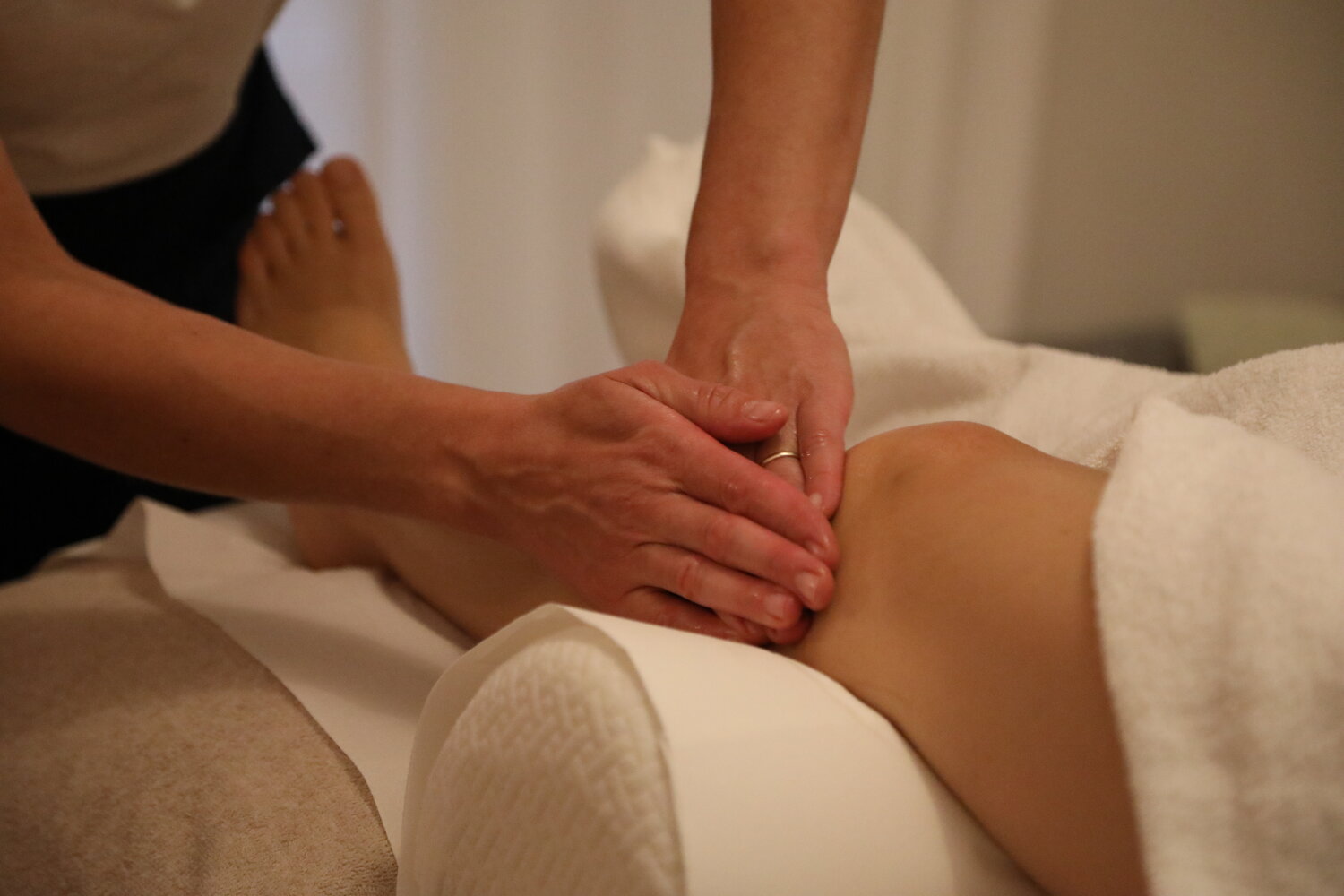
One regular client who trains in jiu-jitsu comes specifically for this treatment. She feels like she has "more room" afterwards. Her body can move through its full range again instead of feeling squashed and tight.
People who work out regularly often find this massage gives them better results in the gym. When your muscles can actually move properly, everything else follows.
What Happens During Your Session
One regular client who trains in jiu-jitsu comes specifically for this treatment. She feels like she has "more room" afterwards. Her body can move through its full range again instead of feeling squashed and tight.
People who work out regularly often find this massage gives them better results in the gym. When your muscles can actually move properly, everything else follows.

During The Session

You're In Control

The Immediate Difference
- Genuinely looser through your muscles and joints
- More open across your chest and shoulders
- Taller (because you're not compressed anymore)
- Like movement takes less effort Properly nourished, inside and out

The Benefits:
Who Benefits Most from This Massage?
While anyone can enjoy Chinese oil massage, certain people find it particularly helpful.
If you work out regularly
If you sit at a desk all day
If you carry physical tension

About Your Practitioner
Before I trained in massage, I received it religiously. Every Saturday morning for 15 years, I'd head to a small Chinese clinic near the London pub where I lived and worked.
Those sessions kept me sane. They were the only time my body got to properly let go of the week's stress.
I learned what good massage feels like from the receiving end first. I know the difference between someone who's just going through the motions and someone who's actually listening to your body.
My Chinese oil massage training started before lockdown and continued through it, with intensive one-to-one sessions at the clinic when things opened up. Hours of hands-on practice, working on real bodies, learning to feel what needs attention.
I bring that same attention to every client who comes through the door. Your body gets listened to, not just worked on.
Chinese Oil Massage vs Other Styles
You might be wondering how this differs from other oil massage you've had.
The main difference is in the approach. While many Western massage styles focus purely on muscles, this treatment considers your whole system. We work with your energy channels at the same time as addressing muscular tension.
The techniques might look similar to Swedish massage, and yes, there's overlap. But the intention behind each movement and the pathways we follow come from Traditional Chinese Medicine understanding.
Think of it as massage that works with your body's blueprint, not just what's tight on the surface.
I trained directly with Chinese practitioners, learning hands-on over an extended period. This isn't a weekend course qualification. It's a traditional skill passed from teacher to student through practice and repetition.
What Our Clients Say

